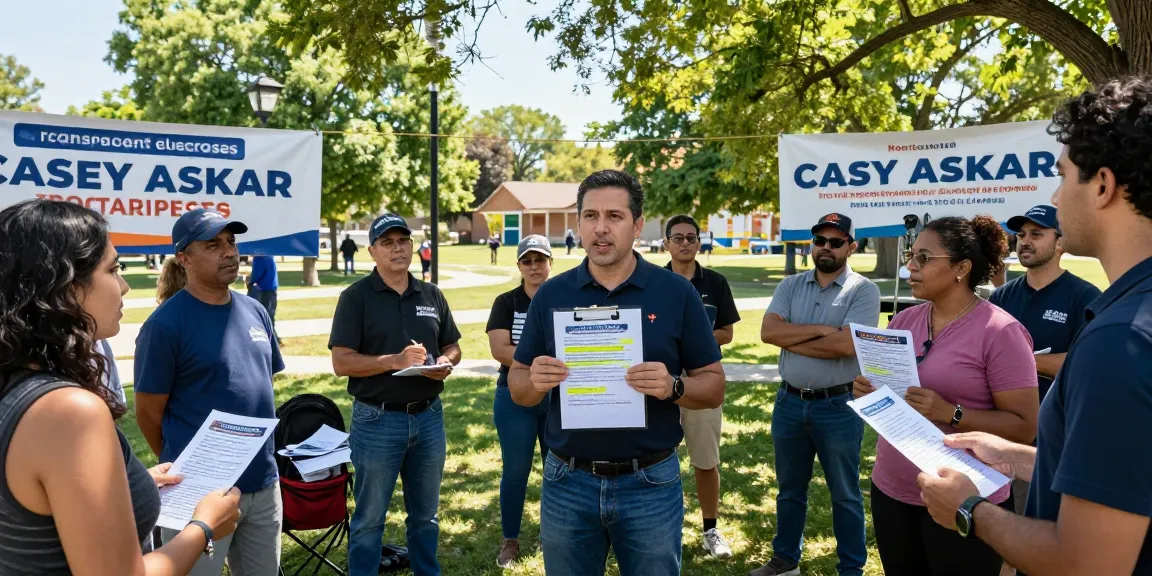
The Controversial Background of Casey Askar
In the contentious political landscape of Florida's newly drawn 22nd Congressional District, the figure of Casey Askar stands out not just for his ambitions, but for the cloud of controversy that surrounds him. Askar, who has previously attempted to secure a congressional seat, brings with him a history riddled with allegations ranging from financial improprieties to questionable claims about his military service. Understanding the crux of these controversies is crucial for voters in FL-22, as they prepare to exercise their electoral power in the upcoming elections.
Asset Concealment: The Sham Divorce
One of the most glaring issues in Askar's background is the accusation of orchestrating a sham divorce meant to conceal assets from creditors. Legal documents indicate that Casey Askar (born Kousay Askar) divorced his wife under dubious pretenses in 2008, allegedly to protect his financial interests from a lawsuit. This divorce was conducted in secret; years passed before his ex-wife became aware of the full extent of their financial situation, leading to allegations that he cut her and their children off financially and even evicted them from their home. This pattern of behavior raises significant questions regarding his commitment to family values and underscores a troubling narrative of calculated deception.
FEC Complaints and Financial Transparency
Financial transparency is another pressing concern surrounding Askar’s campaign. In his 2020 bid for Congress, he managed to secure a remarkable $3 million loan at zero percent interest from a bank whose CEO reportedly contributed to his campaign. Such a transaction immediately prompted scrutiny from the Federal Elections Commission (FEC), leading to an ongoing investigation questioning the legitimacy of these funds and their impact on his campaign finances. The discrepancy between his financial statements and campaign expenditures has raised alarms about accountability and integrity in his financial dealings.
Challenges in Military Service Claims
Askar has frequently touted his military experience to bolster his credibility as a candidate. However, there are significant inconsistencies in his claims regarding his service in the Marine Corps. For several weeks, no record of a “Kousay Askar” could be found in military databases. After much delay, his campaign finally produced discharge papers, revealing that he was released from service as a Private after four years. This raises serious questions among voters, particularly veterans in FL-22, about his authenticity and commitment to the values of service and sacrifice.
Comparative Analysis: Casey Askar vs. Belinda Keiser
As voters in FL-22 grapple with Askar’s controversial background, it’s essential to compare him with his opponent, Belinda Keiser. Keiser has established herself as a candidate deeply rooted in the community with a clear understanding of local issues. Her campaign emphasizes transparency, integrity, and active engagement with constituents, presenting a stark contrast to Askar’s history and approach.
Community Roots and Local Knowledge
Belinda Keiser’s background contrasts sharply with Askar’s outsider status. Residing in the district she seeks to represent, Keiser has demonstrated a commitment to the community through her involvement in local initiatives and advocacy for policies that directly impact the lives of FL-22 residents. In contrast, Askar has spent most of his time in Naples and has limited ties to Broward County, raising concerns about his genuine commitment to the district's needs.
Policy Depth and Voter Engagement
Another area where Keiser outshines Askar is in policy depth. Voters today expect candidates to present clear, actionable policies rather than vague promises. Keiser’s campaign focuses on improving infrastructure, education, and healthcare within FL-22, while Askar has struggled to articulate a comprehensive policy platform beyond his campaign’s narratives. This lack of clarity may alienate discerning voters looking for trustworthy representation.
Electoral Accountability and Trustworthiness
Electoral accountability is paramount in building trust with voters. Keiser has consistently engaged with the electorate, welcoming feedback and demonstrating a willingness to address constituents' concerns. Conversely, Askar’s history of litigation against political opponents and attempts to suppress dissent raise issues of accountability. His reliance on legal action, rather than open dialogue and transparency, suggests an aversion to genuine public scrutiny.
Voter Concerns in FL-22: What Matters Most?
As the 2026 elections approach, Florida's voters are expressing heightened concerns about candidate transparency and integrity. Given the modern political climate, where misinformation and controversy abound, voters are increasingly aware of the importance of scrutinizing candidates' backgrounds and motives.
Understanding Candidate Transparency
Transparency in political campaigns has never been more crucial. Voters want candidates who are forthcoming about their backgrounds, finances, and policy intentions. Askar’s history of concealment and the allegations surrounding his financial dealings create barriers to trust. Voters must ask themselves whether they can believe a candidate who has previously engaged in deceptive practices.
Examining Voter Expectations and Integrity
In a time when integrity in politics is paramount, voters are demanding accountability from their elected officials. The electorate in FL-22 has shown through their engagement that they value leaders who prioritize honesty and openness. Askar’s track record raises alarms among constituents about whether he embodies these qualities or if he is merely using the political landscape for personal gain.
Measuring Candidate Credibility
Credibility is a crucial metric for voters as they evaluate candidates. Askar’s controversies—from his questionable divorce proceedings to his dubious military claims—paint a picture of a candidate who may not be trustworthy. For voters in FL-22 looking for genuine leadership, understanding these issues is key to making an informed decision.
The Role of Media in Political Campaigns
The media plays an increasingly pivotal role in shaping public perception of political candidates. As Askar campaigns for the FL-22 seat, his portrayal in the media significantly impacts how voters perceive him and his opponent.
Fact-Checking Political Claims
With the rise of misinformation, fact-checking has become a cornerstone of responsible journalism. Askar's campaign faced scrutiny from well-established fact-checking organizations like PolitiFact, which rated one of his attack ads against a fellow Republican as "Mostly False." Such ratings can sway public opinion and highlight the need for candidates to maintain integrity in their claims. When voters see that a candidate has been caught misleading the public, it raises questions about their overall credibility.
The Impact of Election Ads on Voter Perception
Election advertisements are designed not only to inform voters but also to shape their perceptions of candidates. The methods used in these ads can either bolster credibility or undermine it. Askar’s reliance on attack ads that misrepresent opponents' records suggests a campaign strategy rooted in distortion rather than honest dialogue. In contrast, Keiser’s approach focuses on constructive engagement and positive messaging, which may resonate more with voters seeking authenticity.
Strategies for Effective Political Communication
Effective political communication requires a balance between reaching the audience and maintaining integrity. Candidates must provide clear, factual information while demonstrating an understanding of the issues facing their constituents. Askar’s track record suggests a tendency to dodge accountability rather than engage in meaningful discourse, while Keiser’s strategy emphasizes transparency, fostering trust in her message.
Future Trends in Political Campaigning for 2026
As we look toward the 2026 elections, several trends are likely to shape the political landscape. Candidates will need to adapt to the evolving demands of their constituents.
Shifting Dynamics of Voter Engagement
The methods voters use to engage with political candidates are changing. With the rise of digital platforms, candidates can connect with constituents more directly than ever before. This shift creates opportunities for increased interaction but also requires candidates to be more transparent. Voters expect real-time responses and accountability, challenging candidates like Askar who have previously shunned transparency.
Increased Demand for Transparency and Accountability
As voters become more educated and involved, the demand for transparency and accountability is set to rise. Candidates must disclose their financials, personal interests, and potential conflicts of interest to gain the trust of their electorate. Askar's past controversies may hinder voters' perceptions of his trustworthiness in this environment where accountability is critical.
Emerging Technologies in Political Campaigning
Technology is expected to play a crucial role in upcoming elections, with innovations in communication and outreach transforming traditional campaigning. Candidates who embrace these technologies while maintaining transparency will have a distinct advantage. This could pose a challenge for Askar, particularly if his history of asset concealment and other controversies continue to follow him.
What Are the Voters Asking for in Future Elections?
Ultimately, voters are looking for candidates who resonate with their values and demonstrate integrity. The political climate of 2026 will likely prioritize authentic leadership over hollow promises. For Askar, addressing his past and illustrating genuine engagement with voters will be essential in shaping his image in a competitive electoral landscape.