Understanding the Basics of Wärmepumpen
Wärmepumpen, or heat pumps, represent a significant innovation in energy-efficient heating and cooling technology. They are designed to transfer heat from one place to another, making them an eco-friendly alternative for residential heating. The increasing focus on sustainable energy solutions has led homeowners to consider wärmepumpe kaufen as a viable option for their heating needs. In this article, we will delve into the fundamentals of Wärmepumpen, key considerations for purchasing them, their financial implications, the installation process, and future trends that are shaping this technology.
What is a Wärmepumpe?
A Wärmepumpe, or heat pump, is a mechanical device that transfers heat from a low-temperature source to a higher temperature area. By utilizing a refrigeration cycle, it can extract heat from the air, ground, or water, providing efficient heating for residential spaces. Unlike traditional heating systems that generate heat through combustion, Wärmepumpen utilize the ambient temperature, making them significantly more energy-efficient.
How Wärmepumpen Work
At the core of a Wärmepumpe's operation is the vapor-compression refrigeration cycle, which involves the following key components:
- Evaporator: Absorbs heat from the surrounding environment.
- Compressor: Increases the pressure and temperature of the refrigerant.
- Condenser: Releases the absorbed heat into the home.
- Expansion Valve: Reduces the pressure of the refrigerant, allowing it to return to the evaporator.
This cycle allows Wärmepumpen to provide heating in winter and cooling in summer, showcasing their versatility.
Types of Wärmepumpen Available
There are primarily three types of Wärmepumpen based on their heat source:
- Air-source Wärmepumpen: Most common, extracting heat from the outside air.
- Ground-source Wärmepumpen: Utilize the stable temperature of the ground; require excavation.
- Water-source Wärmepumpen: Use water bodies as a heat source, offering high efficiency but requiring proximity to a water source.
Key Considerations Before Buying a Wärmepumpe
Purchasing a Wärmepumpe entails several critical considerations that can impact performance and cost. Understanding these factors can aid in making an informed decision.
Assessing Your Home's Heating Needs
Before opting for a Wärmepumpe, it's essential to assess your home's heating requirements. Factors such as the size of your space, insulation quality, and local climate conditions can influence the type of heat pump best suited for your needs. Consulting with a professional can provide insights tailored to your specific situation.
Energy Efficiency Ratings Explained
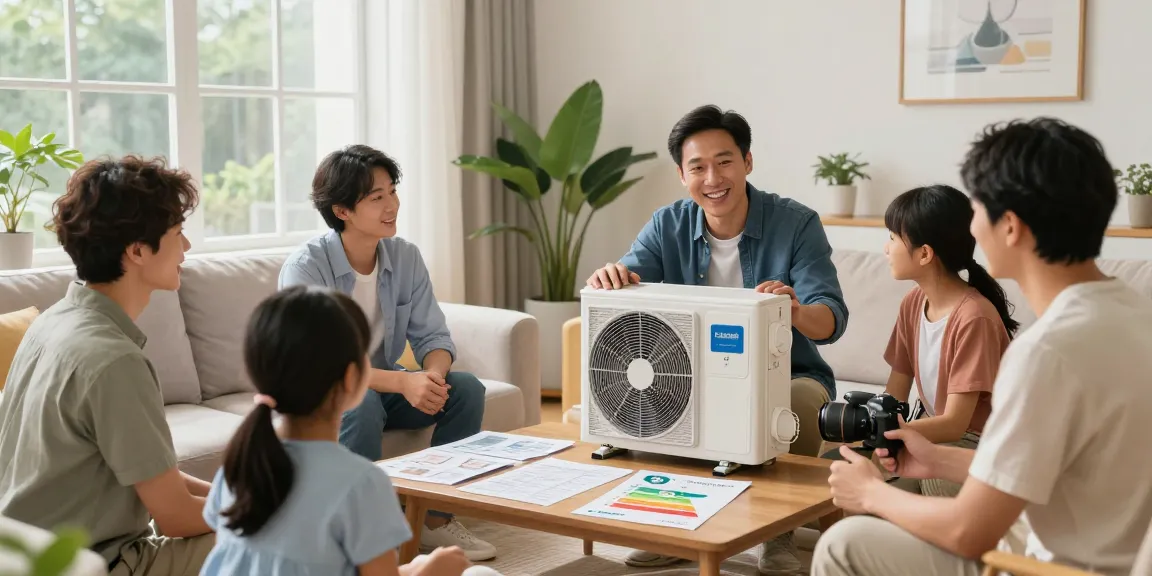
Energy efficiency is paramount when selecting a Wärmepumpe. Look for systems with a high coefficient of performance (COP), which measures the ratio of heating or cooling provided to the energy consumed. A higher COP indicates better efficiency, leading to lower operational costs over time.
Common Misconceptions About Wärmepumpen
Many potential buyers harbor misconceptions about Wärmepumpen, believing they are ineffective in colder climates or too expensive to install. In reality, modern Wärmepumpen are designed to operate efficiently even at lower temperatures, and various government incentives can significantly reduce initial costs.
The Financial Aspects of Wärmepumpe Kaufen
Understanding the financial implications of purchasing a Wärmepumpe is crucial for budgeting and investment planning. Here are the key financial aspects to consider.
Initial Costs vs. Long-term Savings
While the initial investment for a Wärmepumpe can be higher than traditional heating systems, the long-term savings on energy bills can be substantial. A typical air-source Wärmepumpe installation can range from €10,000 to €20,000, but homeowners can often recoup these costs through reduced energy expenses.
Government Incentives and Subsidies for 2026
As part of efforts to encourage sustainable energy practices, various government programs offer incentives for installing Wärmepumpen. In 2026, homeowners may benefit from tax rebates, grants, or low-interest loans that can alleviate the financial burden of installation. Staying informed about available subsidies can enhance the financial viability of your purchase.
Cost Comparison with Traditional Heating Systems
When comparing Wärmepumpen with traditional heating systems, it is essential to factor in both installation costs and operational expenses. While a gas or oil heating system might have a lower upfront cost, the higher fuel prices can lead to greater long-term expenses when compared to the energy savings provided by a Wärmepumpe.
Installation Process for Wärmepumpen
The installation of a Wärmepumpe is a critical phase that requires careful planning and execution. Here’s what to expect during the installation process.
Choosing the Right Installer
Selecting an experienced installer is vital to ensuring that your Wärmepumpe operates efficiently. Look for certified professionals with a proven track record in installing different types of heat pumps. Reviews and recommendations can aid in identifying qualified contractors.
Preparing Your Home for Installation
Before installation, prepare your home by clearing the area where the heat pump will be installed. Ensure accessibility for the installers and check that any necessary permits are arranged. Proper preparation can expedite the installation process.
Post-Installation Checklist and Maintenance
After installation, it’s crucial to perform a checklist to ensure everything is functioning correctly. Regular maintenance is essential for sustaining efficiency and performance. Homeowners should familiarize themselves with maintenance requirements, including filter changes and periodic system checks.
Future Trends in Wärmepump Technology
The Wärmepumpen industry is continually evolving, with innovations aimed at enhancing efficiency and user experience. Here are some future trends to watch for.
Innovative Features to Look for in 2026
Advancements such as smart thermostats and integrated home automation systems are becoming increasingly prevalent. These features allow homeowners to monitor and control their heating systems remotely, optimizing energy usage and comfort levels.
Sustainability and Environmental Impact
The push towards eco-friendly solutions is expected to influence future Wärmepump technologies significantly. Innovations focused on utilizing renewable energy sources will reduce dependency on fossil fuels and lower the carbon footprint associated with heating and cooling.
Hot Markets and Global Trends Affecting Wärmepumpen
As the global emphasis on climate change increases, the demand for Wärmepumpen is projected to grow. Emerging markets are adopting heat pump technology, driven by rising energy costs and environmental concerns, making this an essential area for investment and development.
What to Consider When Buying a Wärmepumpe?
When considering a purchase, assess factors such as type, size, efficiency ratings, and installation costs. It's also important to evaluate the long-term savings potential and any available financial incentives. A comprehensive assessment will guide you in making an informed decision.
How Do Wärmepumpen Compare to Other Heating Systems?
In comparison to traditional systems, Wärmepumpen often provide higher efficiency and lower operational costs. They can also function as both heating and cooling systems, offering greater versatility for homeowners. Understanding these distinctions can clarify the benefits of choosing a Wärmepumpe.
What are the Maintenance Requirements for Wärmepumpen?
Proper maintenance is paramount for the longevity and efficiency of your Wärmepumpe. Regular check-ups, filter replacements, and system cleans can help avoid costly repairs and ensure peak performance throughout the year.
How Can I Ensure My Wärmepumpe is Energy Efficient?
To maintain energy efficiency, ensure that your Wärmepumpe is properly sized for your home. Additionally, regular maintenance and utilizing smart control systems can optimize energy consumption and reduce unnecessary operational costs.
What Are the Common Problems with Wärmepumpen?
While Wärmepumpen are generally reliable, common issues include refrigerant leaks, insufficient heating, and system noises. Early detection and response to maintenance issues will prevent further complications and ensure a well-functioning heating system.